About DevonAir Radio
DevonAir Radio (at the toss of a coin)
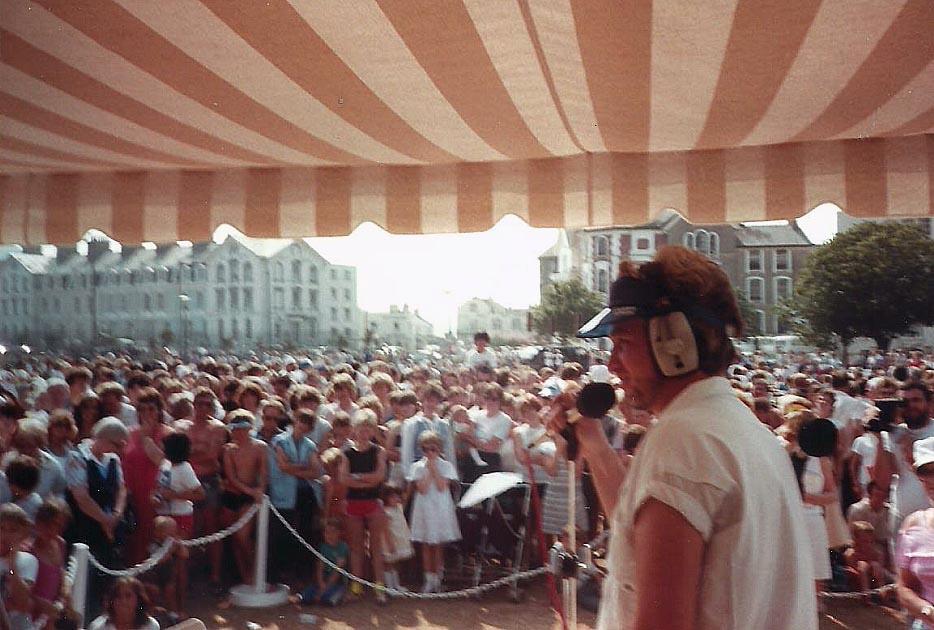
During the late 1970s, the UK broadcast regulator started a new phase of the recently introduced UK local commercial radio system, Independent Local Radio (ILR). Initially, only the larger, highly populated urban areas were awarded ILR licences. In the English south-west, the city of Plymouth began its commercial radio service in May 1975.
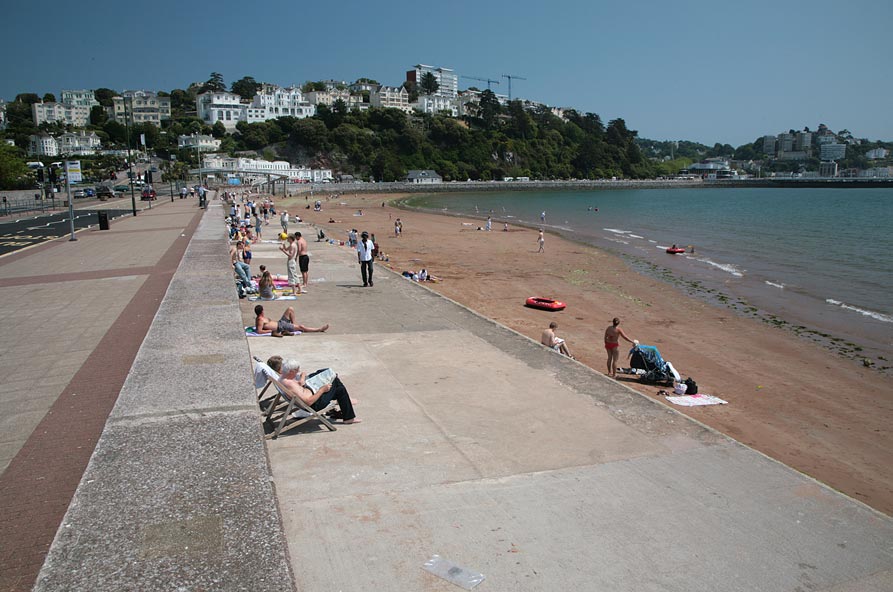
By 1978/9, the regulator, the licensing authority, set its sights on a service for the county city of Exeter and another for the English Riviera in Torbay, which would cover an area of 550,000 adults.
In the late 1970s, the UK Home Office oversaw broadcasting and had a policy of launching only one local radio service at a time in any given area, either BBC local radio or ILR.
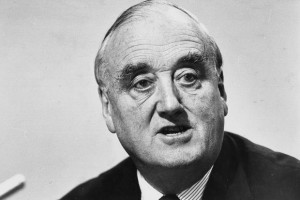
When choosing whether Norfolk or Devon would receive a station first, there was disagreement between the BBC and the Independent Broadcasting Authority (IBA). The Home Secretary, William Whitelaw, famously settled the debate with a coin toss, which led to what would become the DevonAir area being assigned to the IBA.
The Formation of DevonAir Radio
By November 1978, Radio Exe and the Torbay and Exeter Broadcasting Company merged to form Radio Haldon. The new consortium was led by Vice-Admiral Sir Ronald Brockman and included local dignitaries along with broadcaster Keith Fordyce.
Three groups—Radio Haldon, Riviera Radio, and Bay City Radio—competed for the dual-area franchise, with Radio Haldon emerging victorious and becoming DevonAir Radio.
The original plan proposed separate stations for Torbay and Exeter, but as financial realities emerged, the regulators concluded that a dual-station model would not be viable.
DevonAir’s approach of serving both areas under a single banner became the winning proposal.
Revolutionary Plans for DevonAir Radio
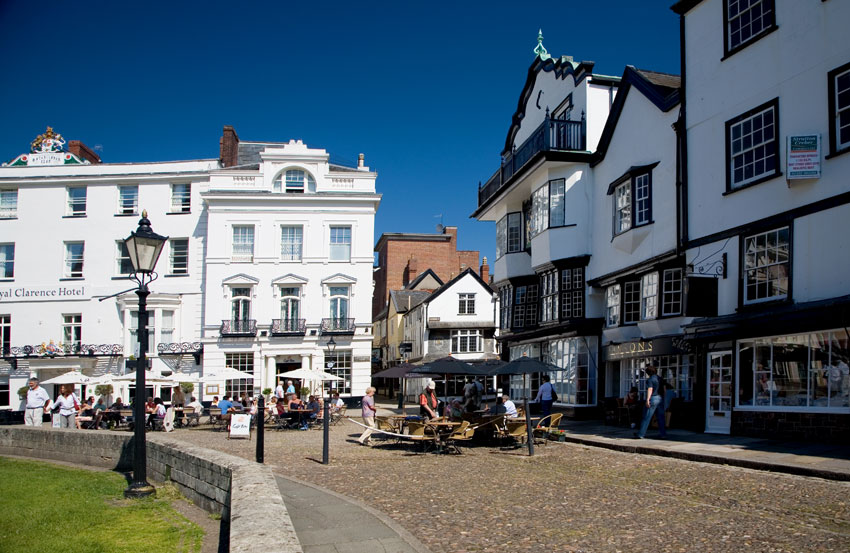
DevonAir’s proposal to the regulator in 1979 was revolutionary.
They promised a comprehensive news and entertainment service for both Exeter and Torbay, and introduced the concept of “splits”—programming and commercials tailored for each region at certain times of the day.
This “split” capability would be a world-first in radio broadcasting, offering advertisers unique opportunities to target specific areas.
In addition to localised content, the technical infrastructure of DevonAir allowed seamless transitions between the sub-regions, maintaining continuity for listeners while maximising revenue opportunities for advertisers.
The Engineers of Success
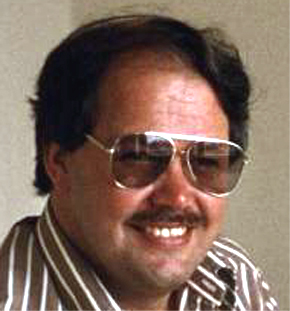
By late summer 1980, the Exeter phase of the station was finally completed, a significant milestone made possible through the hard work and innovative thinking of Nick Johnson and his dedicated engineering team of Nick Bennett and Howard Pelling. Johnson, a visionary in the field of broadcast engineering, was tasked with overcoming the substantial technical challenges associated with DevonAir’s unique setup. His team’s expertise ensured that DevonAir wasn’t just another radio station; it would soon become the world’s first fully operational split radio station—a ground breaking achievement at the time.
The cornerstone of this success was the development of a sophisticated telemetry system, which allowed the station to seamlessly split its programming between the two key regions it served—Exeter and Torbay—without listeners even realising that content was being delivered from two distinct locations. This system was a marvel of modern engineering. It enabled each studio to function completely independently, yet gave the impression to listeners that they were tuning into a single, unified station. This was a huge technical leap forward, particularly in the early 1980s when such advanced broadcasting technology was rare, if not unheard of.
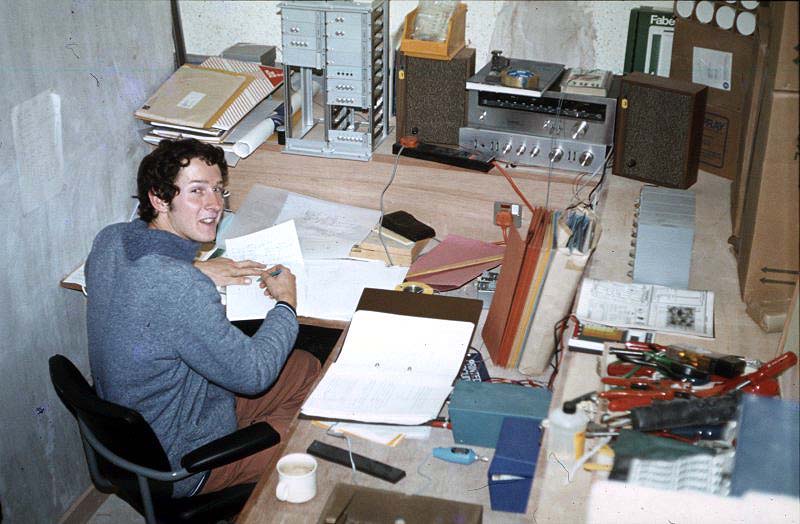
The telemetry system wasn’t just about maintaining a unified broadcast; it also provided unparalleled flexibility. DevonAir could tailor its content to the specific needs and interests of each area, splitting programming at key times of the day to offer localised news, talk shows, and even advertising. For instance, while Exeter listeners might be receiving news about city council developments or local events, listeners in Torbay could be hearing about the latest happenings on the English Riviera, all without disrupting the station’s larger identity.
Nick Johnson’s team built two state-of-the-art, fully operational studio centres: one in Exeter, located in a late Georgian terrace, and another strategically positioned on the top floor of a building overlooking Torbay. These weren’t just makeshift studios; they were meticulously designed to be identical in every way. This level of detail meant that presenters, engineers, and producers could work in either studio without facing any operational differences.
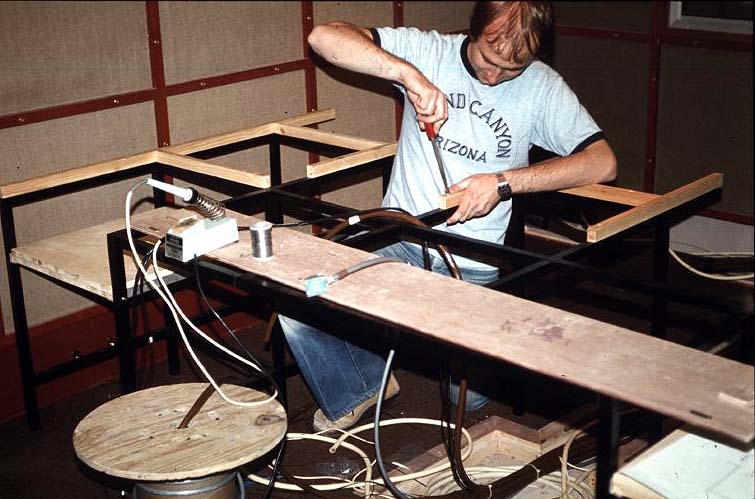
Whether a show was being broadcast from Exeter or Torbay, the equipment, the layout, and the functionality were exactly the same. This uniformity ensured that programmes could be produced and presented from either location with ease, reducing the potential for errors and making it much easier for staff to transition between the two centres.
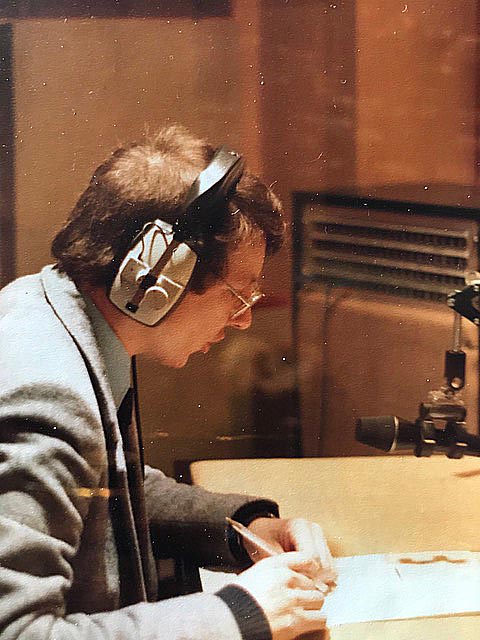
The ability to operate two identical studios was revolutionary for DevonAir’s business model. It not only enhanced operational efficiency but also allowed the station to create a sense of local presence in both areas—Exeter and Torbay—without duplicating effort or compromising the quality of the content. From a technical standpoint, this dual-studio system set DevonAir apart from its competitors, cementing its reputation as a forward-thinking, highly innovative station.
DevonAir’s pioneering approach to local radio broadcasting would go on to influence many other stations across the UK, but at the time, DevonAir was leading the charge.
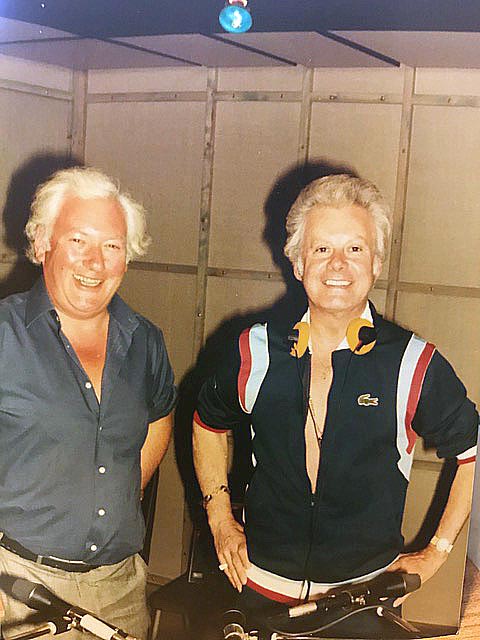
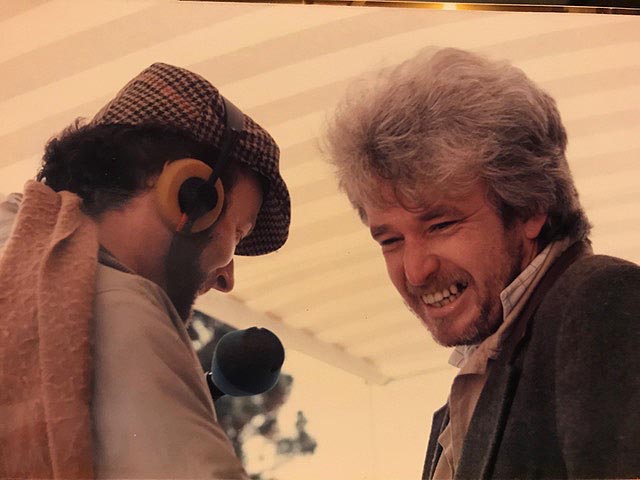
The Launch of DevonAir Radio

The Challenge of Split Programmes
DevonAir’s ability to “split” programmes and advertisements between Exeter and Torbay was a truly ground-breaking innovation in radio broadcasting at the time. This technical achievement allowed the station to cater to the specific needs of two distinct regions while maintaining the cohesive identity of a single station. For listeners, it seemed like an effortless process, but behind the scenes, this capability required a combination of cutting-edge technology and expert engineering.
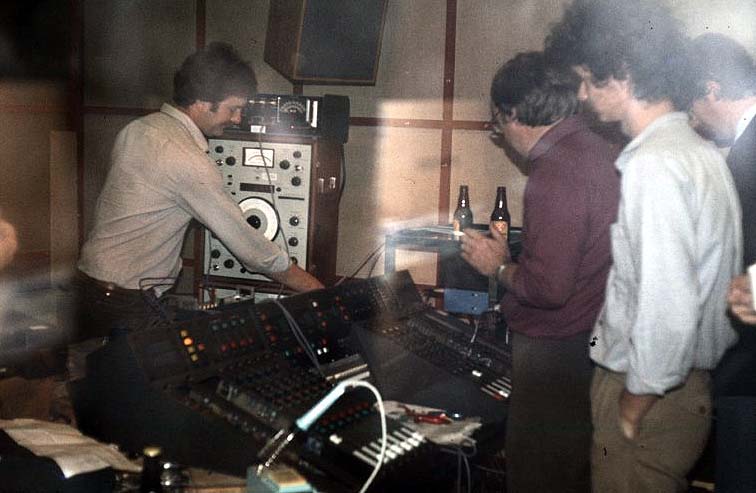
The mastermind behind this technical breakthrough was Nick Johnson, who, along with his engineering team, developed an advanced system that enabled DevonAir to split its programming seamlessly. At the heart of this system were telemetry controls, which were carefully synchronised between the two studio centres. This technology allowed the station to transmit different content to Exeter and Torbay at designated times, without any noticeable disruption or difference in quality for the listeners. The system was designed to ensure that both areas received content that was relevant and localised to them, all while maintaining the perception that DevonAir was a unified station serving the whole region.
The real beauty of this innovation lay in its flexibility. DevonAir could choose to broadcast the same content to both regions during certain times or split the programming when local content was more appropriate. This level of customisation made DevonAir highly responsive to the needs of its diverse audience, offering advertisers the chance to tailor their messages to each market, further enhancing the station’s commercial viability.
Nick Johnson’s team ensured that the synchronisation between the two studios—one in Exeter and one in Torbay—was flawless. The technology allowed presenters and producers to switch between the shared DevonAir network programming and localised content with just the touch of a button. The telemetry controls were designed to be intuitive, making it easy for presenters to manage the split broadcasts without needing specialised technical knowledge. This meant that even in a live broadcast environment, switching from DevonAir network programming to localised programming and vice versa was smooth and error-free. It gave presenters a great deal of control over the broadcast and allowed them to focus on the content rather than the technical complexities behind the scenes.
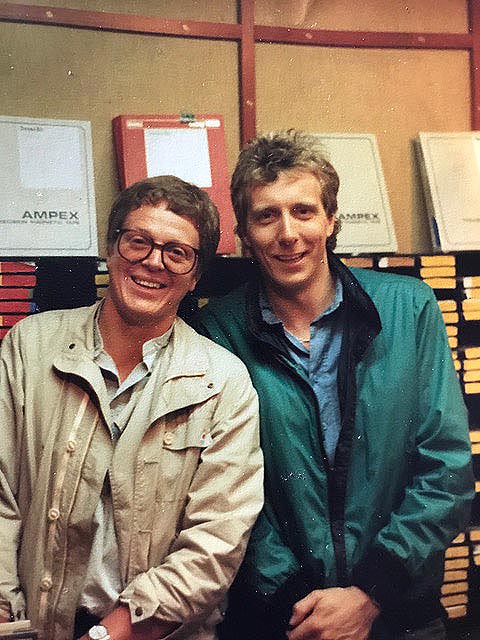
For the presenters and engineers, this system was a dream to work with. It was simple, efficient, and reliable, allowing them to deliver highly localised content without the stress of complex operations.
The seamless synchronisation between the two studios also meant that if a programme was being presented from Exeter, Torbay could continue to receive its own specific content, and vice versa. This flexibility was a huge advantage for the station, as it meant they could respond quickly to local news and events, providing timely and relevant information to each area without compromising the overall broadcast schedule.
The ability to split programmes and advertisements was not just a technical marvel; it was a significant strategic advantage that allowed DevonAir to better serve both its listeners and advertisers across a diverse broadcast area. By combining advanced telemetry systems with intuitive, user-friendly controls, Nick Johnson’s team provided the station with the flexibility and reliability needed to deliver highly relevant, localised content while still maintaining a strong and consistent regional identity. This enabled DevonAir to tailor advertising and selected programming to specific communities, ensuring greater audience engagement and improved value for local businesses.
At the same time, the system preserved the benefits of a unified network, allowing major programmes and station branding to be shared seamlessly across the region. The balance between local relevance and regional cohesion was a considerable achievement for its time. This innovative approach helped cement DevonAir’s reputation as a forward-thinking broadcaster and demonstrated how emerging technology could be used to enhance both operational efficiency and audience service. In doing so, the station set a new benchmark for local commercial radio and influenced thinking about how regional broadcasting could successfully operate in the years that followed.
DevonAir’s First Day on Air
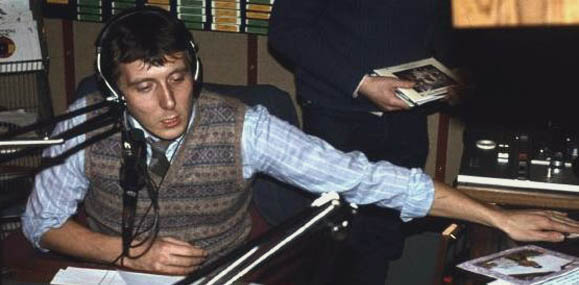
On Friday, 7th November 1980, DevonAir officially launched its Exeter broadcasts, bringing a new era of local commercial radio to the city and surrounding areas. From its very first day on air, the station offered a full schedule of live programming designed to inform, entertain and engage listeners throughout the day.
The station began broadcasting with DevonDawn, setting the tone for the new service, followed by programmes hosted by Paul Owens. An extended lunchtime news bulletin provided comprehensive coverage of local, national and international events, reflecting DevonAir’s strong commitment to news and information. Afternoon listeners were then entertained by Travis Baxter before the station’s flagship evening news programme, DevonDay, presented by Mike Joseph. The first day’s broadcasts concluded with No Nonsence, hosted by John Pierce, bringing DevonAir’s inaugural schedule to a close.
At launch, DevonAir was authorised to broadcast between 0600 and 2200 on weekdays and Sundays, and until midnight on Saturdays. These restrictions reflected the terms of the station’s initial broadcasting licence. The permitted hours were subsequently extended to midnight, seven days a week, when the Torquay side of the operation commenced, allowing DevonAir to offer a broader range of programmes and strengthen its presence across the entire franchise area.
Expansion with the Torquay Studio
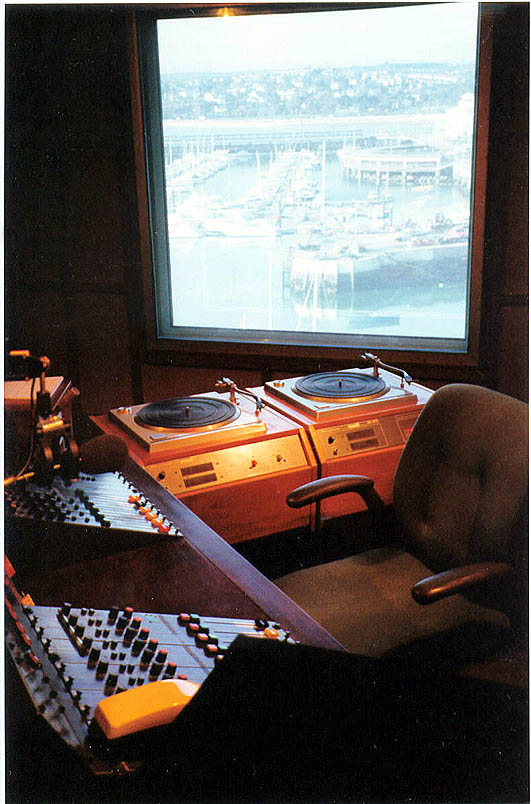
On 12th December 1980, DevonAir launched its second phase with the extension of daily broadcast hours to midnight, the opening of the Torquay studio and the expansion of transmissions to Torbay and South Devon. This important milestone marked the completion of DevonAir’s original broadcast obligations under its franchise agreement and represented the culmination of many months of planning, engineering and operational preparation. With the Torquay facilities fully commissioned and connected to the wider network, the station’s distinctive programming and commercial split system became fully operational across the entire franchise area.
The launch was a seamless success, owing largely to the precise engineering and careful project management of Nick Johnson’s team. Extensive testing had ensured that the complex network of transmitters, telemetry links and studio equipment functioned reliably from the outset. As a result, listeners experienced a smooth transition as DevonAir extended its service into the new coverage area. The successful activation of the split broadcasting arrangements demonstrated the effectiveness of the station’s innovative technical design, allowing local audiences to receive content and advertising tailored to their communities while remaining part of a broader regional service. The achievement highlighted DevonAir’s reputation for technical excellence and confirmed its position as one of the most innovative commercial radio stations operating in Britain at the time.
Early Success and Later Decline
In its early years, DevonAir Radio enjoyed significant success, bolstered by its innovative programming and commitment to local news coverage. Early listener research confirmed that DevonAir was an immediate hit with the public.
However, by the mid-1980s, challenges began to emerge. The company’s finances deteriorated, and the quality of its local content started to suffer. As a result, the station’s original independent identity eroded, setting the stage for its eventual decline.
Legacy and Reflection
Although DevonAir Radio ultimately faced financial challenges and eventually lost its independent status, its legacy as a pioneering local radio station continues to endure. Throughout its years of operation, the station demonstrated a willingness to embrace new ideas and technologies, often operating at the forefront of commercial broadcasting innovation. One of its most notable achievements was the split broadcasting model developed by DevonAir’s engineering team, which enabled different areas of the franchise to receive tailored advertising and programming while remaining part of a unified regional service. This represented a significant technical and operational breakthrough at a time when such flexibility was rarely seen in local radio.
The station’s early success showed that commercially funded local broadcasting could provide a genuine alternative to existing services while maintaining a strong connection with local communities. DevonAir’s ability to balance regional identity with local relevance helped establish new expectations for audience engagement and advertiser support. Many of the ideas pioneered by the station would later become commonplace across the industry. As a result, DevonAir’s influence extended far beyond its own transmission area, helping to shape the development of commercial radio in Britain and paving the way for future broadcasting ventures throughout the United Kingdom.
This detailed history of DevonAir Radio is researched and written by Ian Waugh, who worked for the station from 1980 to 1987.